Watch the reel
A bull put spread sells one put and buys a lower put to collect premium with capped risk. This reel shows how it pays you to bet a stock holds above a level you choose.
Bull Put Spread
Sell a put and buy a lower-strike put in the same expiration. Net credit, defined-risk, neutral-to-bullish. You profit if the underlying stays above the short strike.
Payoff at expiration
Example legsGreeks
When to use it
Neutral-to-bullish outlook, elevated IV, and you want a high-probability trade. Common around earnings on names you'd be willing to own at the short strike.
Setup
Sell a put at 0.20–0.30 delta (just below current price), buy a lower-strike put for protection (the spread width is your maximum loss minus credit).
Steps
- 1Pick an expiration 30–45 DTE.
- 2Sell the short put at your willing-to-own level.
- 3Buy a long put further OTM to define risk.
- 4Submit as a single combo order at a limit near the mid.
Cost
You receive a net credit. Maximum loss = (strike width × 100) − credit.
Effect of price
Sideways or rising = full max profit. A drop below the short strike eats into the credit; below the long strike, you've reached max loss.
Effect of time
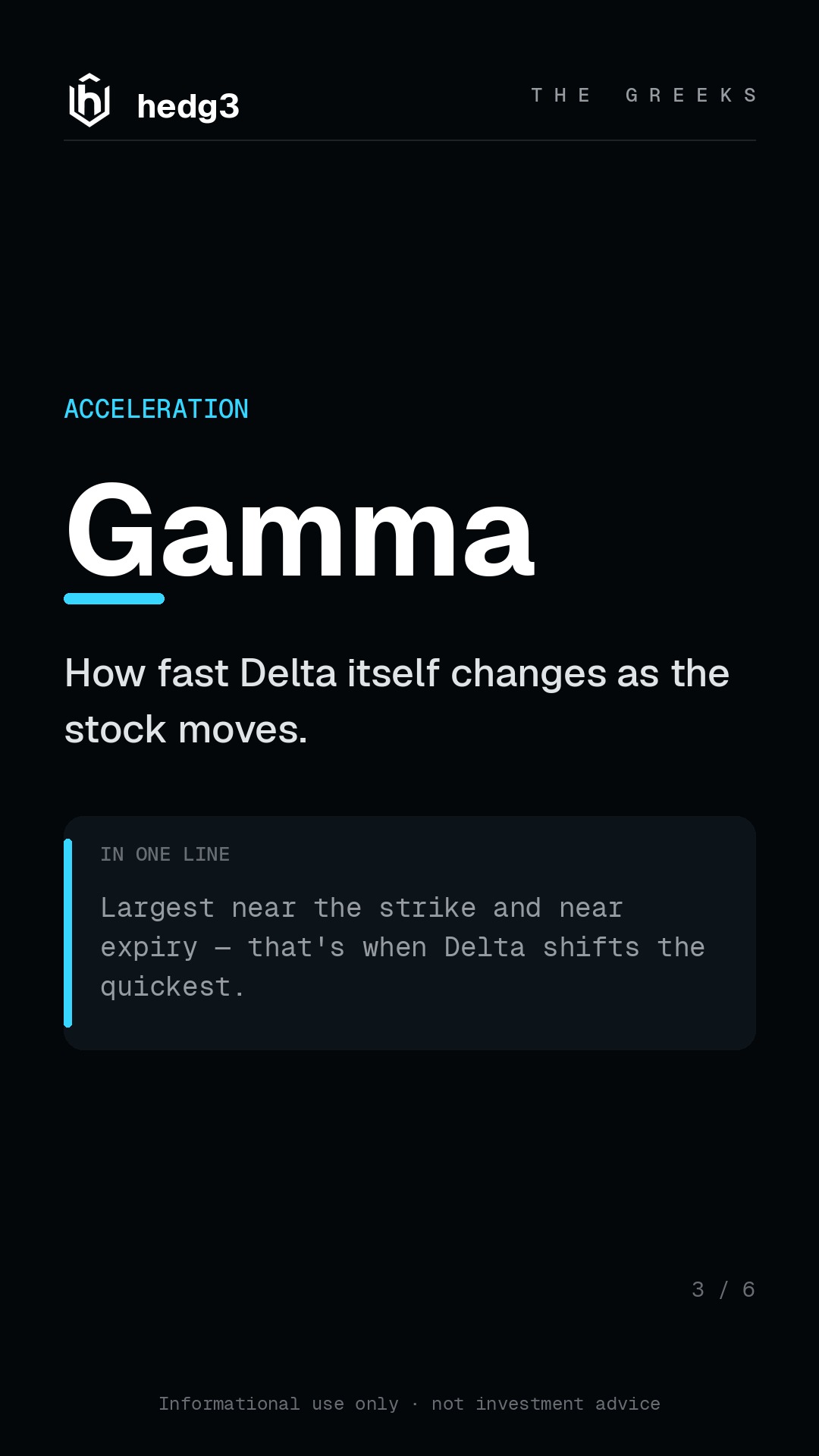
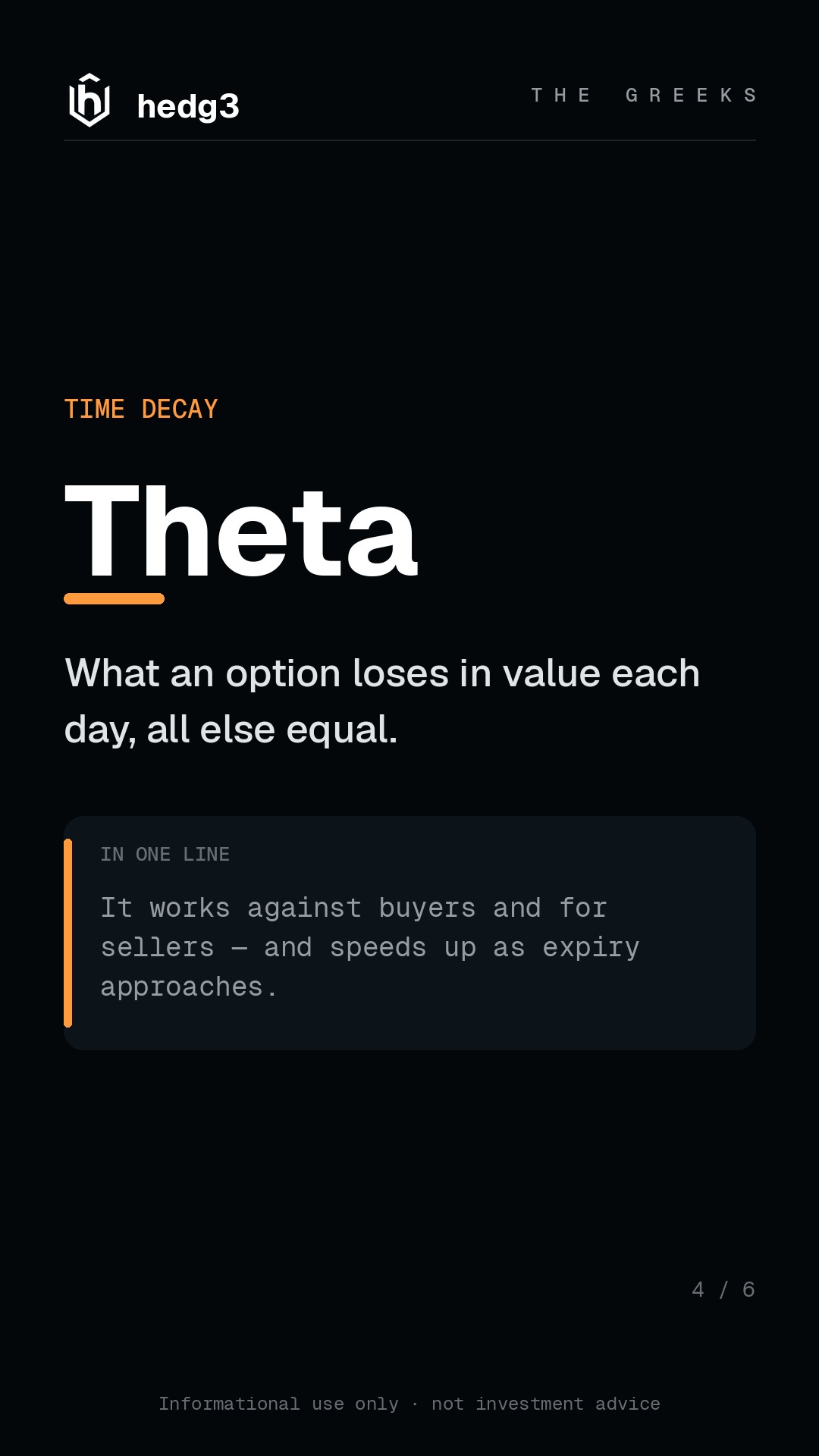
Theta-positive. Every day the underlying behaves, you make money.
Effect of volatility
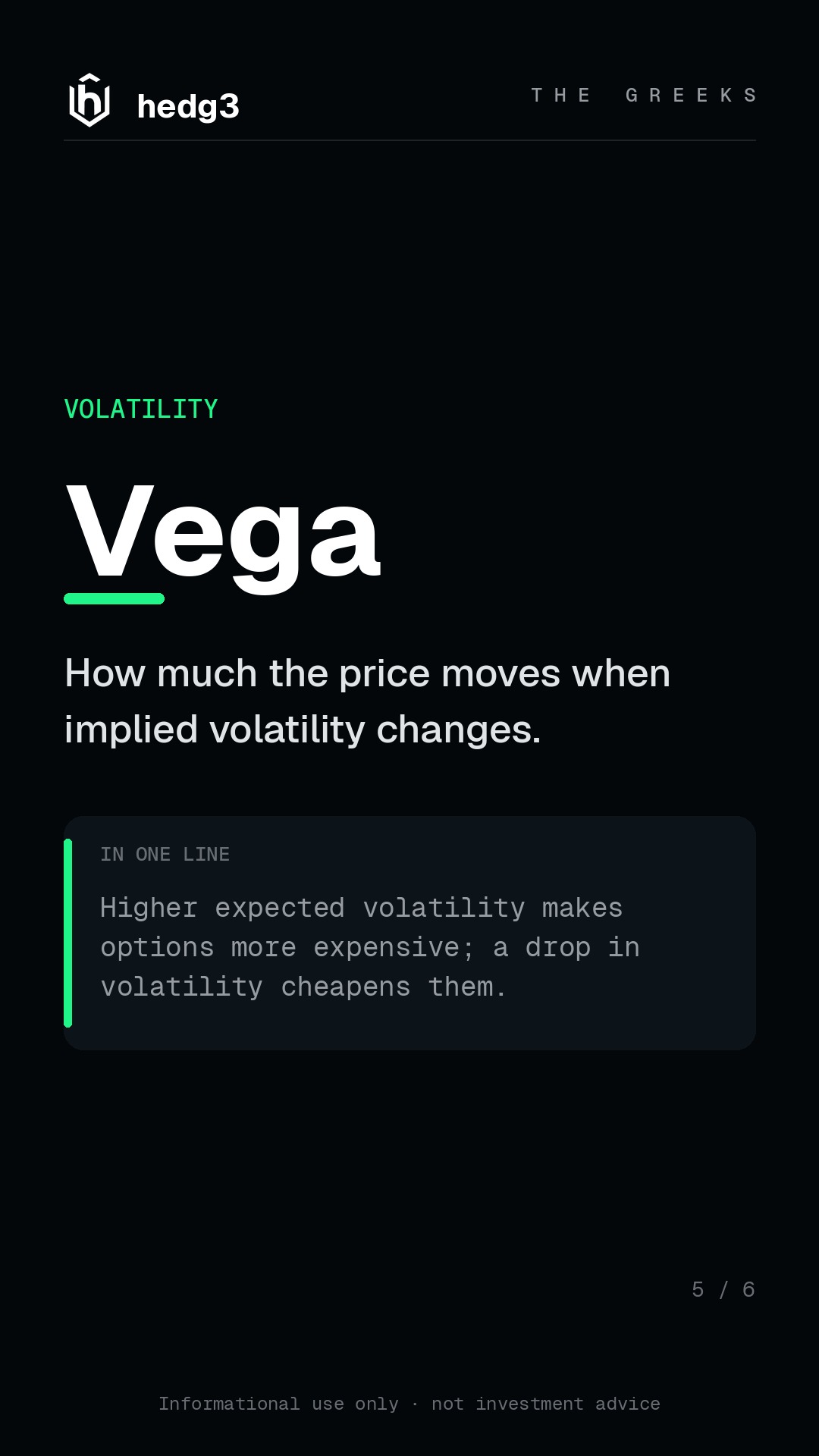
Negative vega — opening in high IV and waiting for the crush is the canonical setup.
Pros
- Defined risk — sleep at night.
- High probability of profit.
- Theta is on your side.
Cons
- Reward is small vs. the max loss — bad nights happen.
- Requires margin (collateral) equal to the spread width.
- Sharp gap-downs around earnings can blow through both strikes.
Tips
- Size for the max loss, not the credit.
- Close at 50% of max credit — don't squeeze the last drop.
- Avoid earnings unless you fully understand the gap risk.
The math
Max profit = credit. Max loss = (short_strike − long_strike) − credit. Break-even = short_strike − credit. Probability of profit ≈ probability spot stays above break-even.
Not investment advice.