Watch the reel
An iron butterfly sells an at-the-money straddle and buys wings for protection — a tighter, higher-credit cousin of the condor. This reel shows the trade-off between bigger income and a narrower profit range.
Iron Butterfly
An iron condor with the short strikes pinned at the same price — both short legs are ATM, with wings above and below. Bigger credit, narrower profit zone.
Payoff at expiration
Example legsGreeks
When to use it
Strong belief the underlying will pin near a specific strike at expiration — often the post-earnings 'sleep' or expiration-day pinning into max-pain.
Setup
Short put and short call at the same strike (usually ATM). Wings equidistant above and below at the same width.
Steps
- 1Pick the strike you think the underlying will pin to.
- 2Sell the put and call at that strike.
- 3Buy equidistant wings for protection.
- 4Submit as a 4-leg combo at a limit credit.
Cost
Larger credit than a condor. Max loss = wing width × 100 − credit.
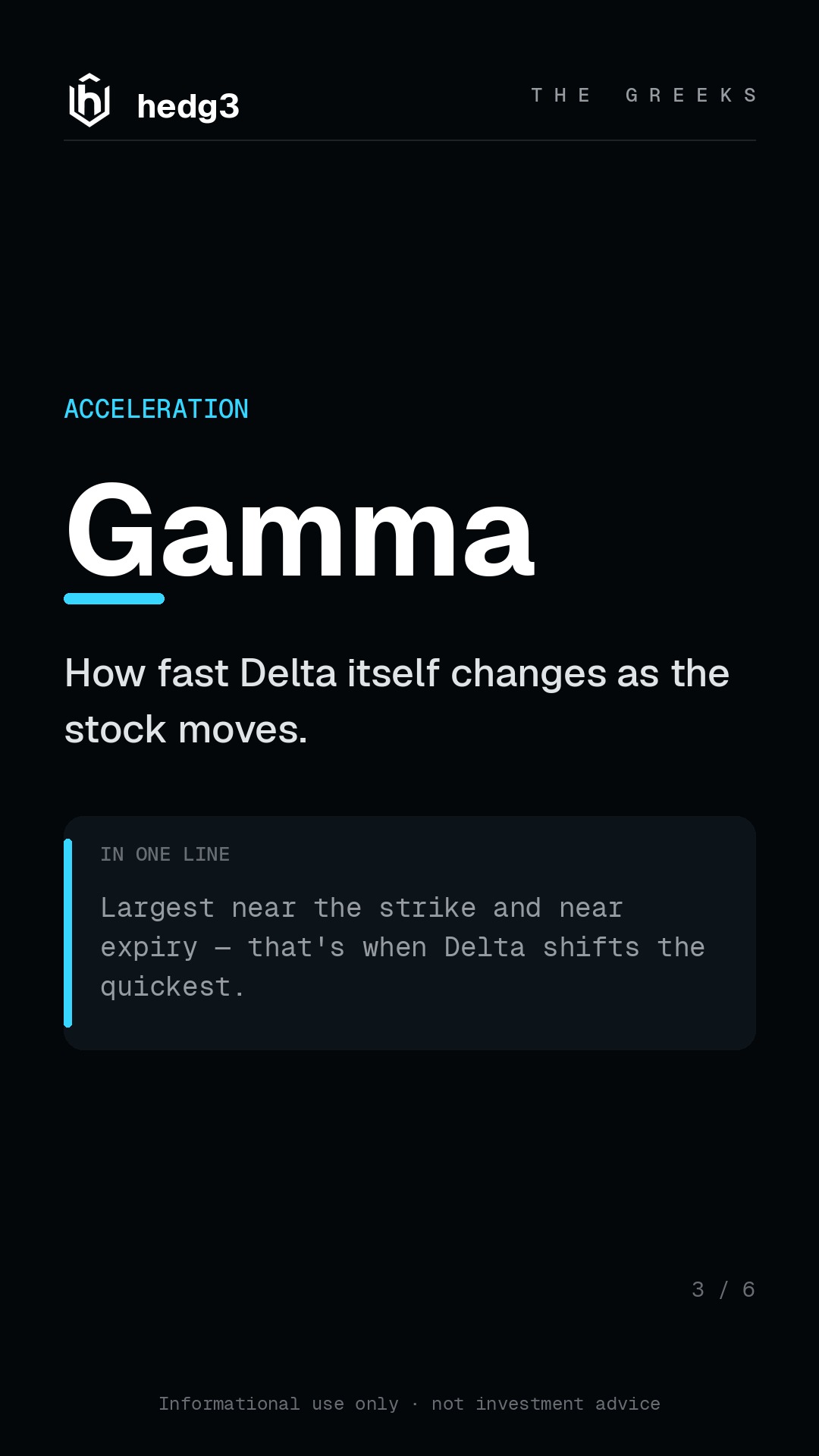
Effect of price
Max profit at the short strike. Loss outside either break-even.
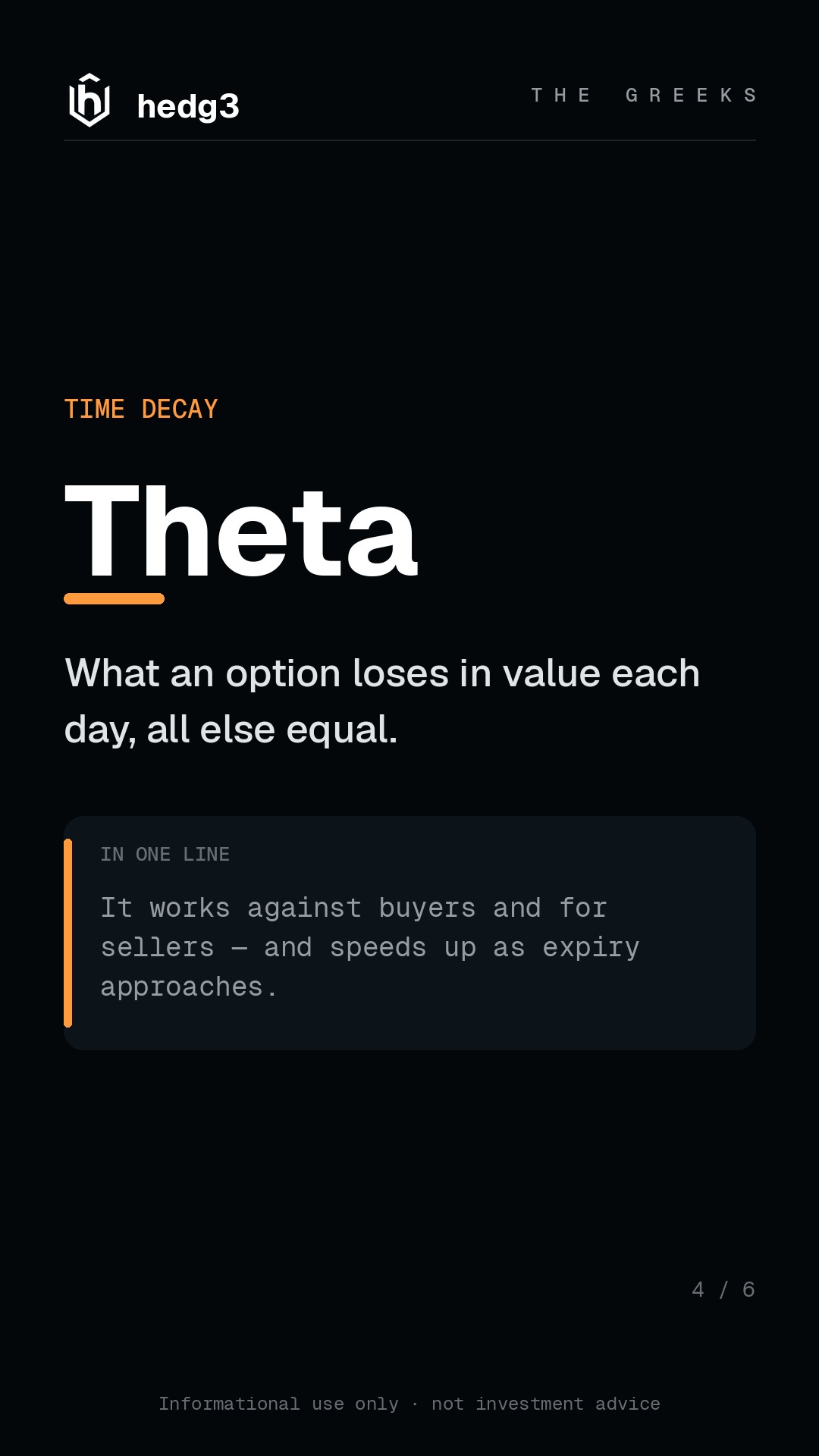
Effect of time
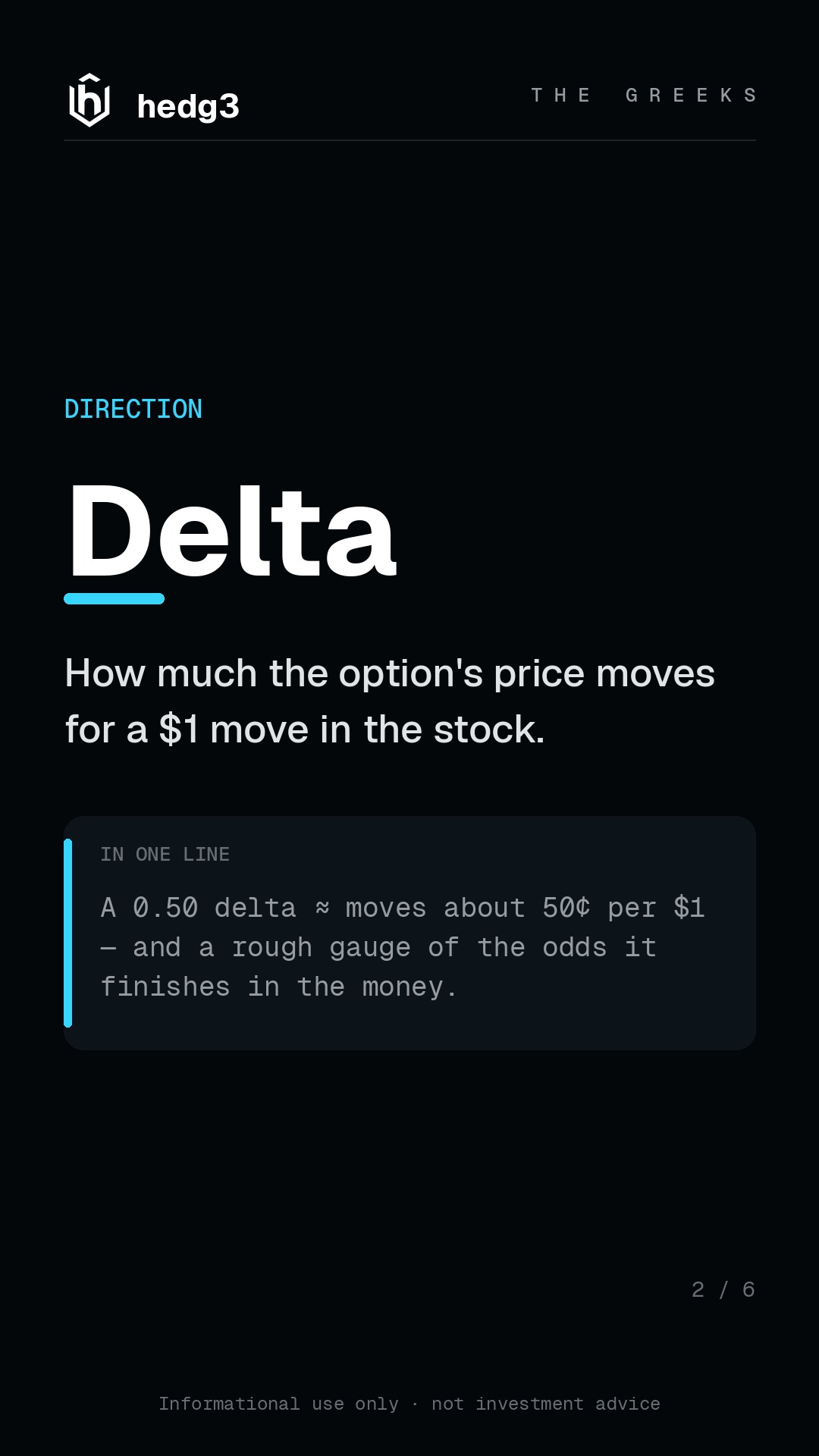
Theta-positive — but you need price to behave to harvest it.
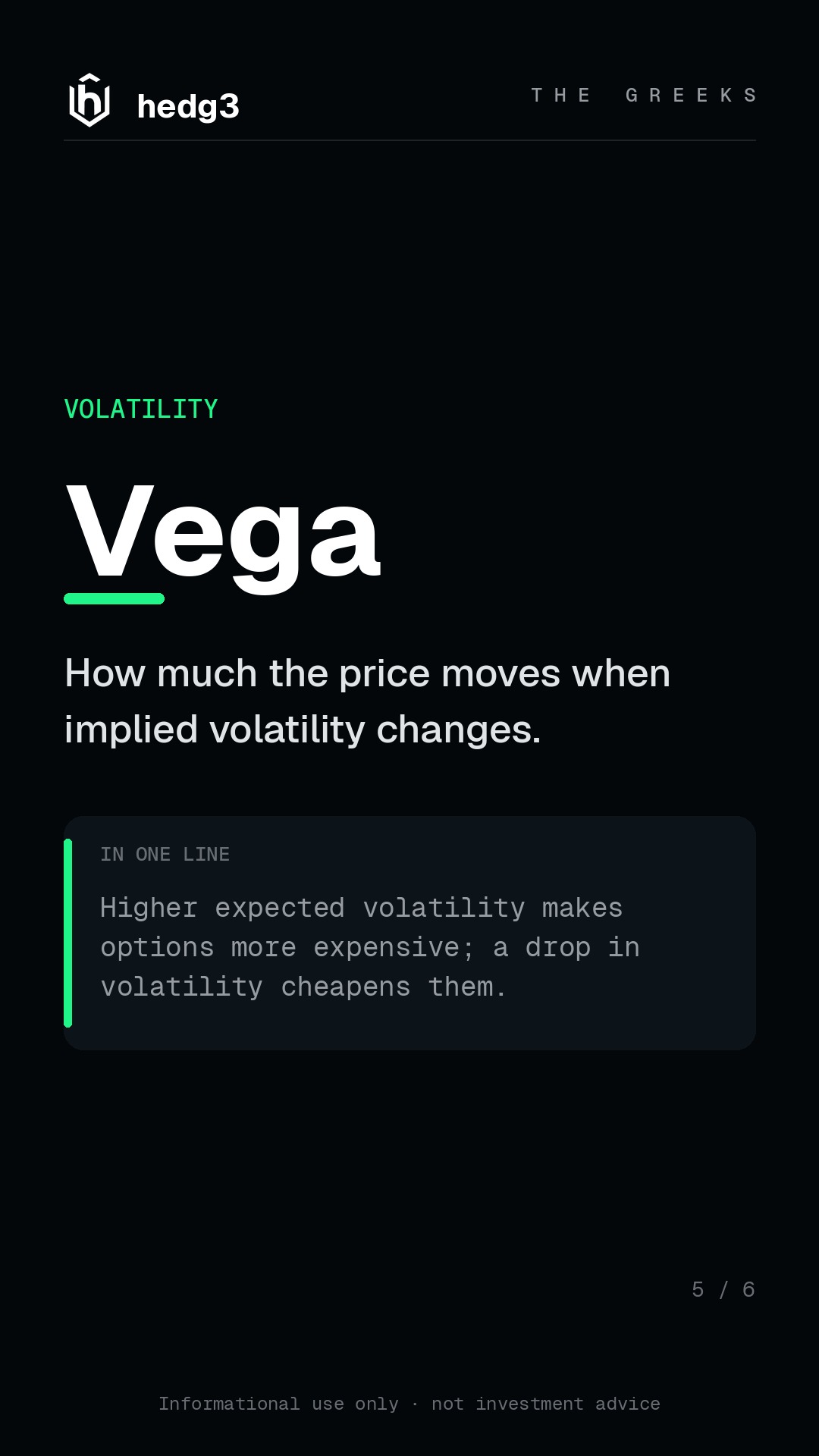
Effect of volatility
Negative vega.
Pros
- Larger credit than a condor.
- Defined risk.
- Theta is your friend.
Cons
- Narrower profit zone than a condor.
- Often only profitable in a tight pin range.
- Adjustment is brittle.
Tips
- Set entry credit ≥ ~20% of max loss — otherwise it's a bad trade.
- Close at 25–40% of max profit — the optimal hold is short.
- Pin trades fail badly on news; size accordingly.
The math
Max profit = credit (at spot = short_strike). Max loss = wing_width − credit. Break-evens = short_strike ± credit.
Not investment advice.