Watch the reel
An iron condor sells a put spread and a call spread to collect premium when a stock stays in a range. This reel covers the defined-risk income trade and where it breaks even.
Iron Condor
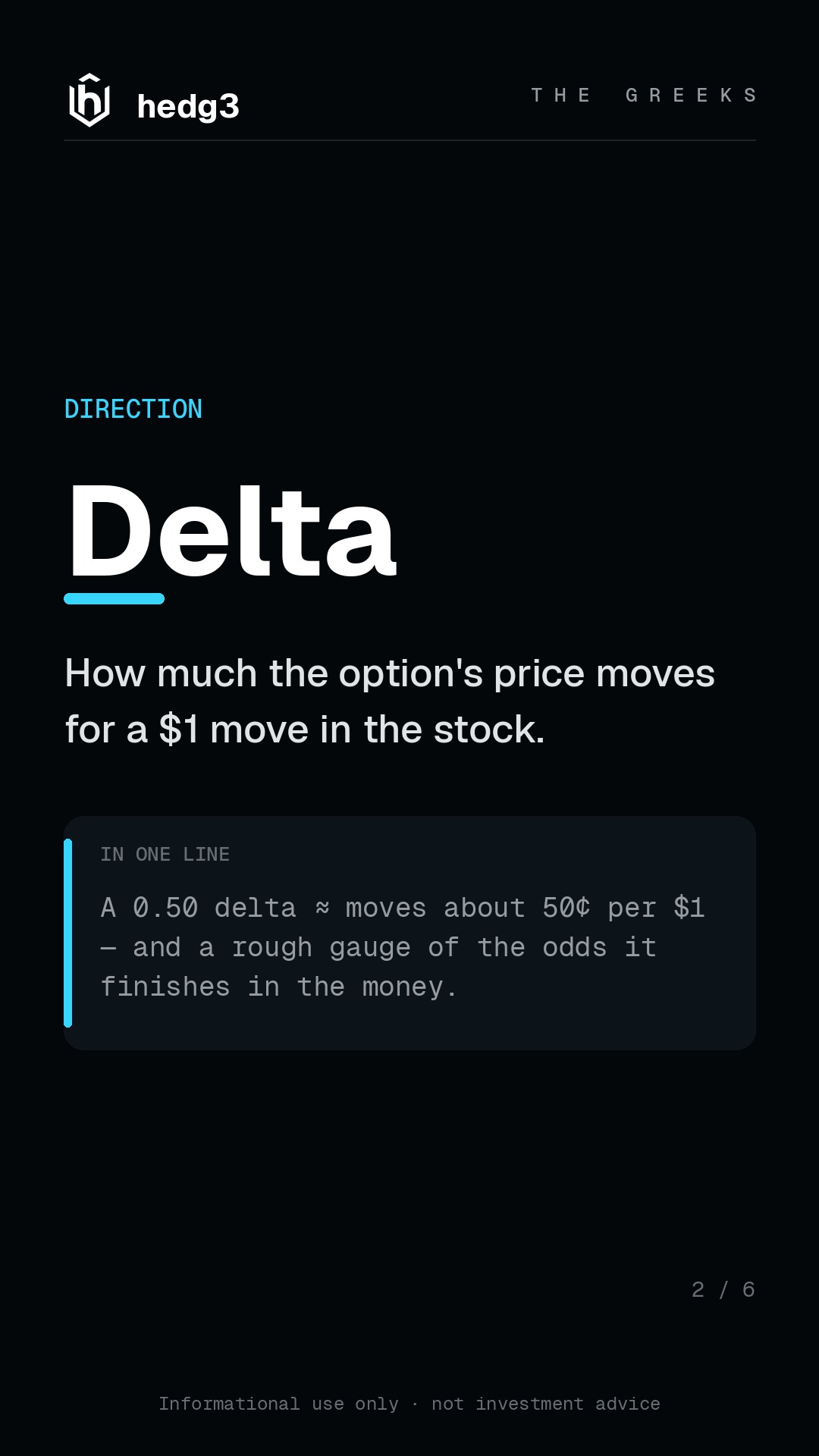
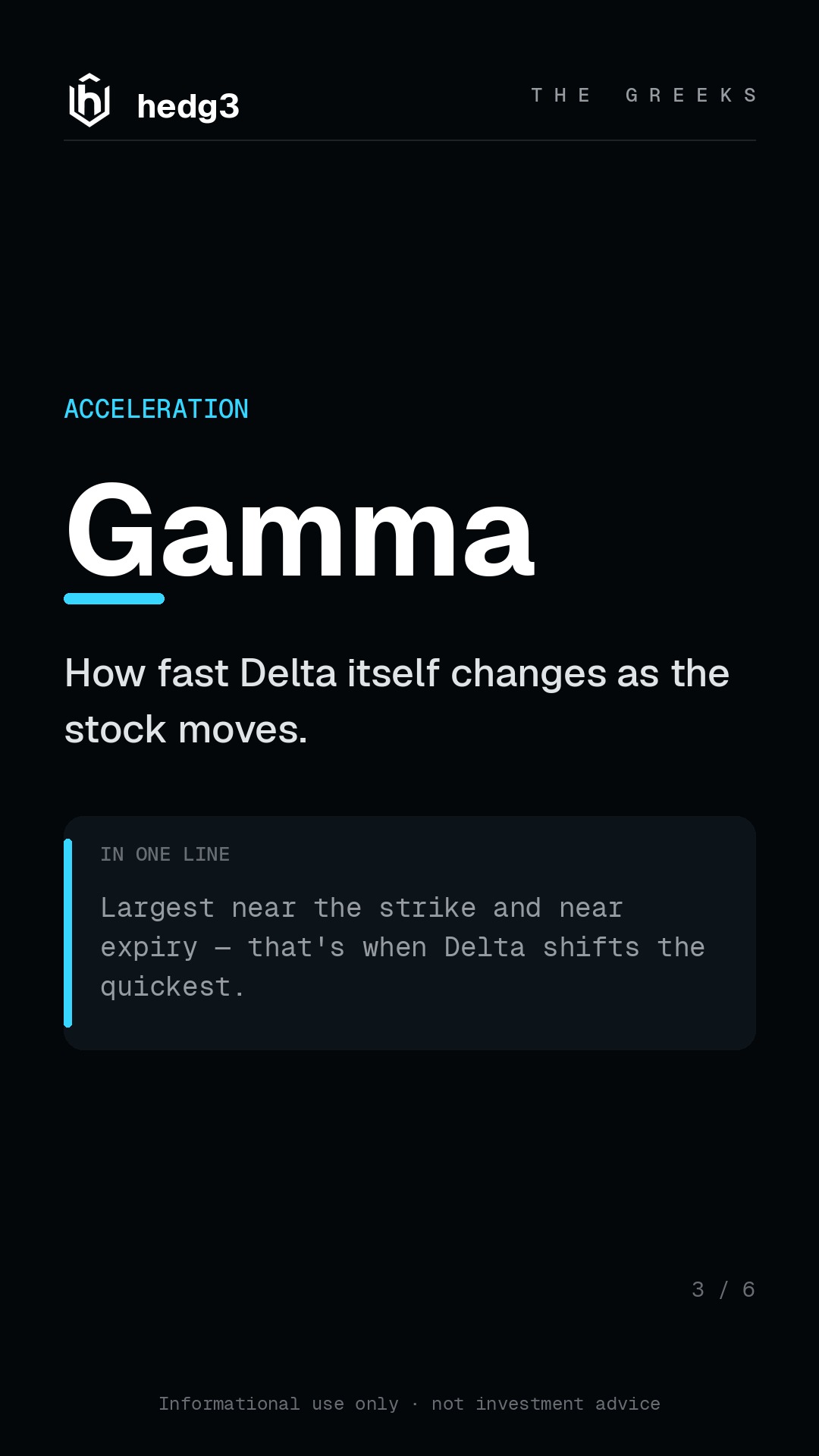
A bull put spread + a bear call spread on the same underlying and expiration. Defined-risk, theta-positive, vega-negative — the canonical 'rangebound income' trade.
Payoff at expiration
Example legsGreeks
When to use it
Neutral on direction, elevated IV that you expect to mean-revert, and a name without a near-term catalyst. The classic 45-DTE / 0.16-delta condor is so canonical it's a meme.
Setup
Center the structure on current price. Pick short strikes at 0.15–0.20 delta (~70–80% probability of expiring OTM). Buy wings at your desired risk-limit width.
Steps
- 1Pick an expiration 30–45 DTE.
- 2Sell the OTM put (0.15–0.20 delta).
- 3Buy a further-OTM put as wing protection.
- 4Sell the OTM call (0.15–0.20 delta).
- 5Buy a further-OTM call as wing protection.
- 6Submit as a single 4-leg combo at a limit credit.
Cost
Net credit. Max loss per side = wing width × 100 − credit. Collateral required = max loss.
Effect of price
Profitable when spot stays between the short strikes at expiration. Loss accelerates past either short strike; capped at the long strike.
Effect of time
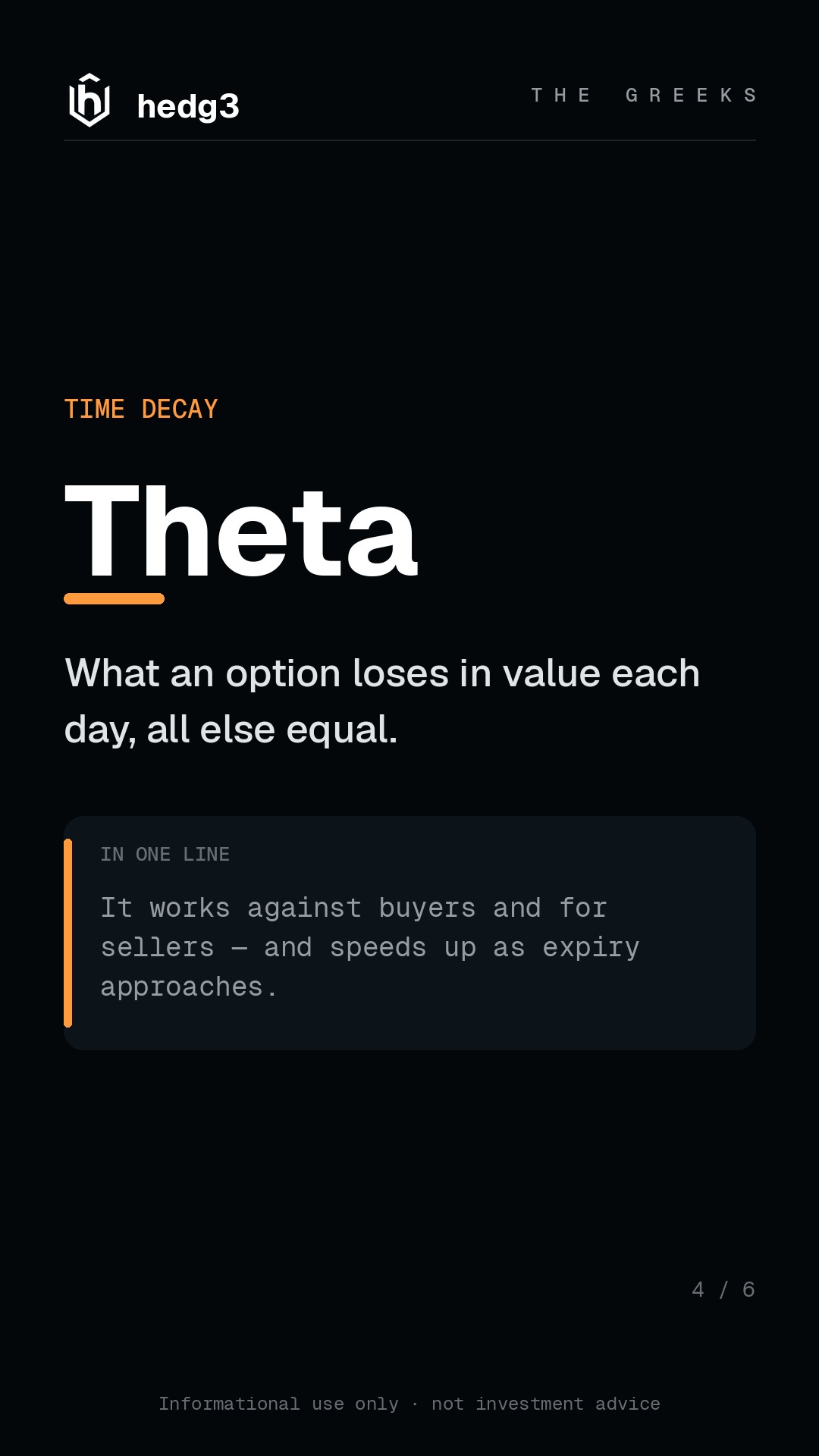
Theta is your engine.
Effect of volatility
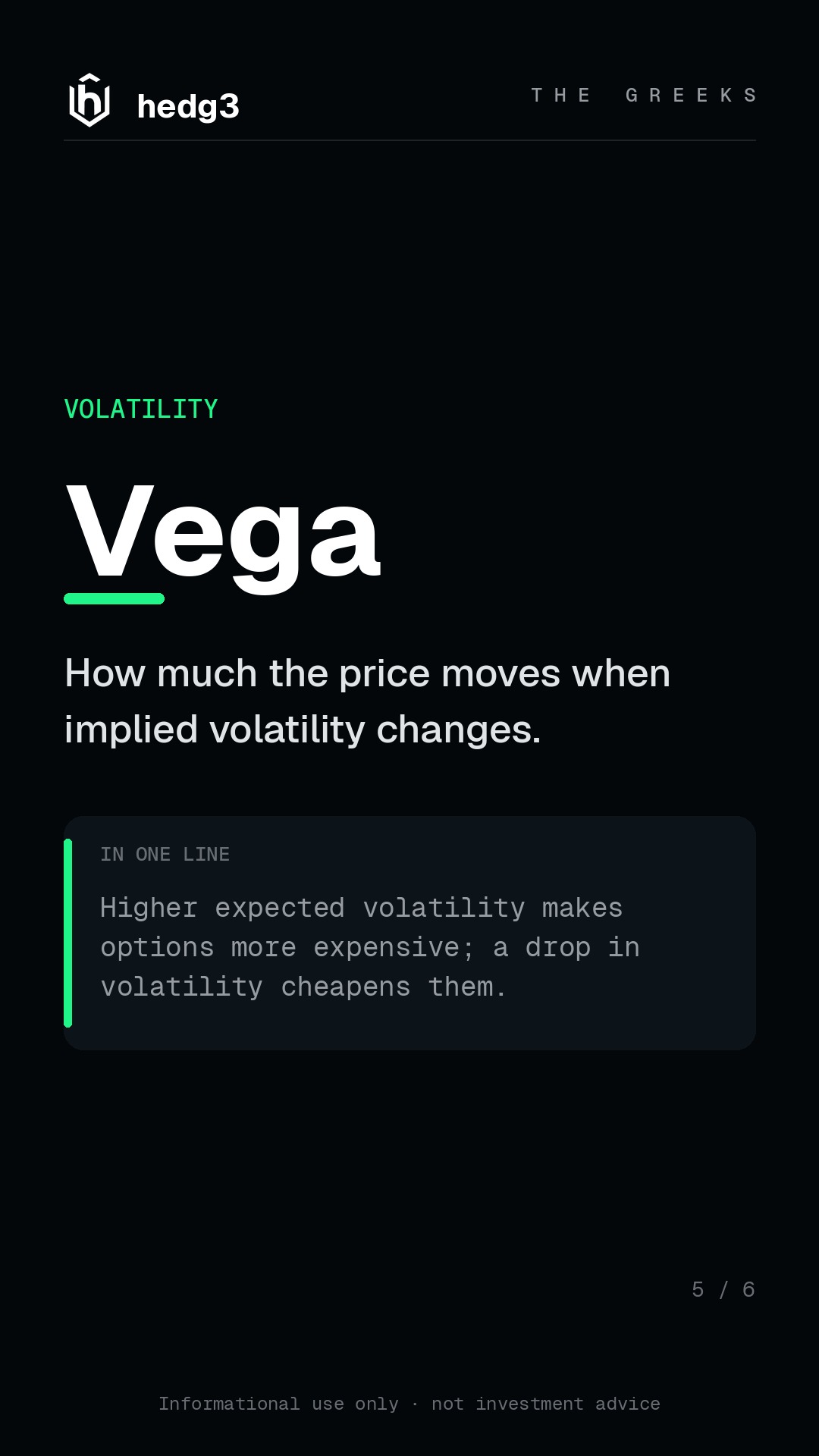
Negative vega. Open in high IV; let mean reversion + theta do the work.
Pros
- High probability of profit.
- Theta is on your side.
- Defined max loss.
Cons
- Reward/risk is unfavorable — needs win rate.
- Two losing sides — gap moves through either side hurt.
- Adjustment can get messy if the trade goes against you.
Tips
- Close at 50% of max credit.
- Avoid major earnings; if you must, halve your size.
- Manage the tested side first — usually by rolling the untested side closer.
The math
Max profit = credit. Max loss = wing_width − credit. Break-evens = short_put − credit, short_call + credit. Approx probability of profit ≈ delta of short legs.
Not investment advice.