Watch the reel
A long call butterfly buys one call, sells two higher, and buys one higher still — a cheap, defined-risk bet that a stock pins a target price. This reel shows the tent-shaped payoff.
Long Call Butterfly
Buy 1 ITM call, sell 2 ATM calls, buy 1 OTM call — all equidistant, same expiration. Pay a small debit, profit if the underlying pins at the middle strike at expiration.
Payoff at expiration
Example legsGreeks
When to use it
Pin trade: high conviction the underlying will land at a specific price at expiration. Cheap because of the low probability, paying big multiples on a successful pin.
Setup
Center strike at your target pin price. Equidistant wings of your chosen width. Same expiration.
Steps
- 1Identify your pin target (key strike, earnings re-rate, dividend price, etc.).
- 2Buy ITM call below the target.
- 3Sell 2 ATM calls at the target.
- 4Buy OTM call above the target.
- 5Submit as a single 3-leg combo at a limit debit.
Cost
Small debit. Max loss = debit.
Effect of price
Max profit at the center strike. Either side, profit decays linearly to the wings, then zero.
Effect of time
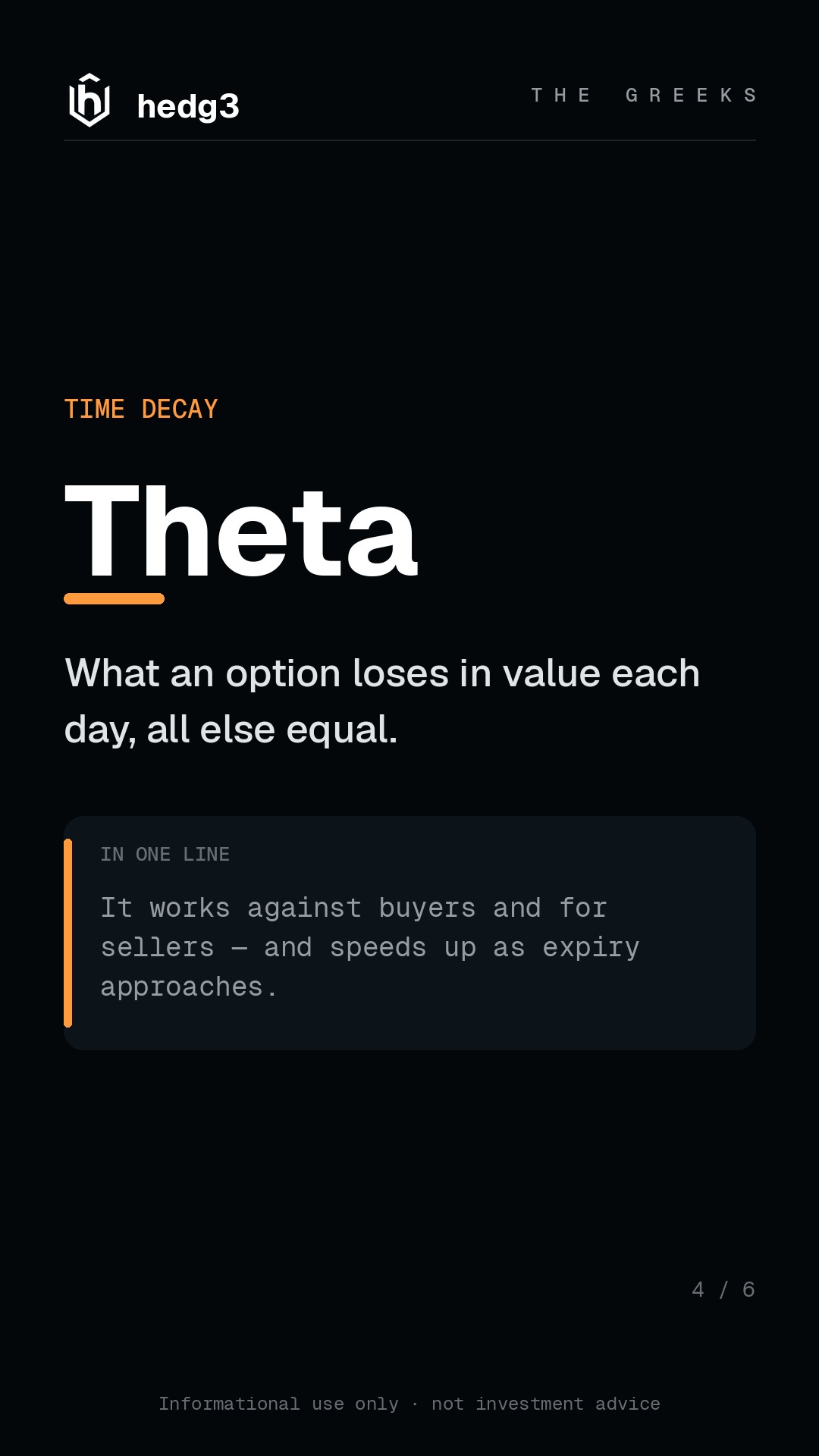
Theta-positive — gains accelerate close to expiration if price hovers near the body.
Effect of volatility
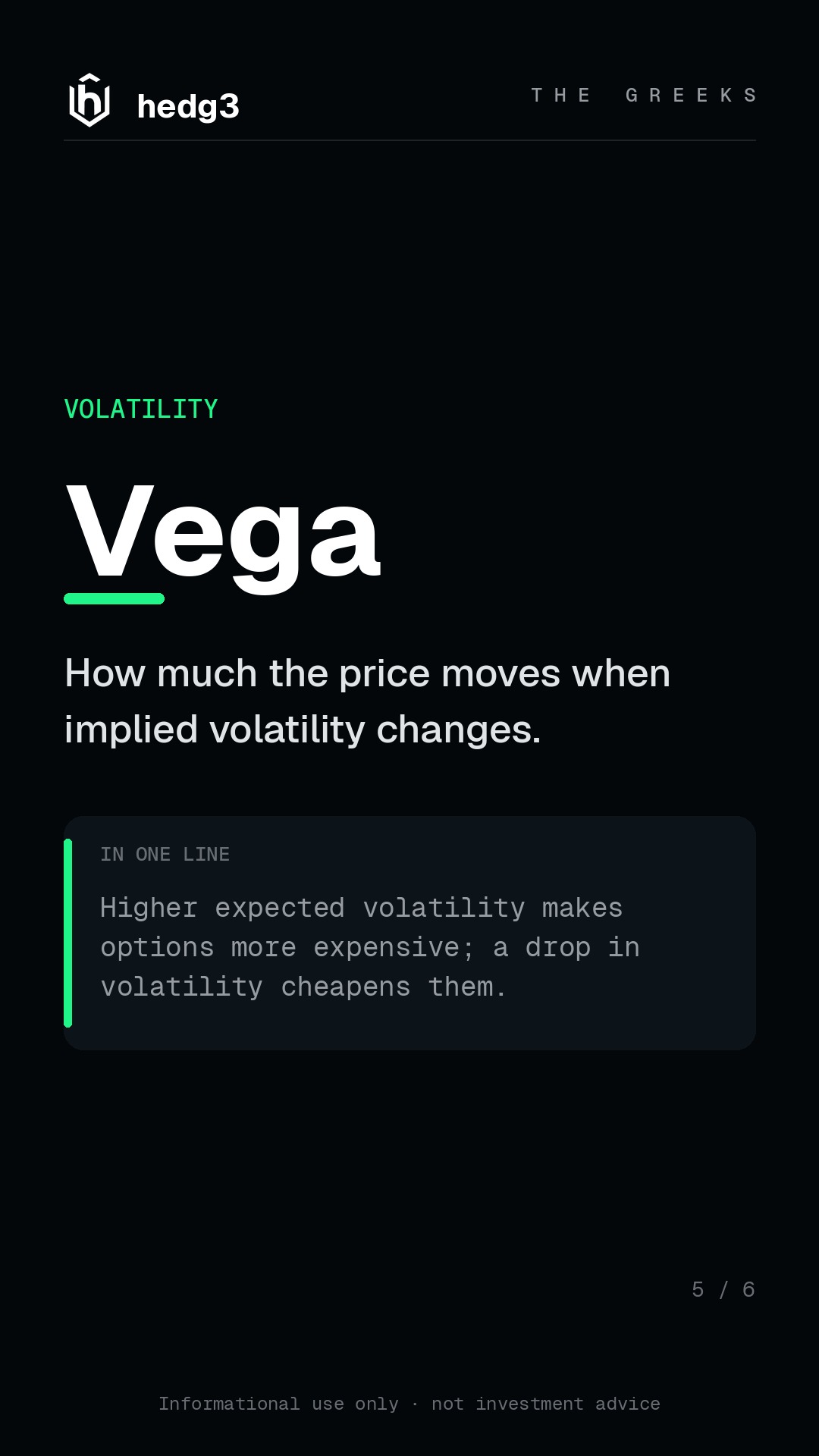
Negative vega — IV decreases tend to inflate the structure's value.
Pros
- Cheap defined-risk exposure to a pin scenario.
- Excellent reward-to-risk on a clean pin.
- Theta works for you in the final week.
Cons
- Low probability of max profit.
- Needs precise pinning at expiration.
- Volatility expansion hurts.
Tips
- Best held very close to expiration — earlier exits rarely pay.
- Use on names with known pin behavior (high open interest at a strike, dividend dates).
- Avoid if there's any major catalyst before expiration.
The math
Max profit = wing_width − debit (at spot = body_strike). Max loss = debit. Break-evens = body_strike ± (wing_width − debit).
Not investment advice.