Watch the reel
A ratio spread buys one option and sells more than one further out — often for little or no cost, with a profit zone and uncapped risk past the short strikes. This reel shows the shape and the catch.
Ratio Spread
Buy fewer options at one strike, sell more at another. The unbalanced legs create a directional view with a built-in volatility/skew angle. Risk is undefined beyond the short legs.
Payoff at expiration
Example legsGreeks
When to use it
Moderately directional with a target zone, willing to take undefined risk past that zone in exchange for a much cheaper entry — often free or a small credit.
Setup
Standard 1×2 call ratio: buy 1 call at lower strike, sell 2 calls at higher strike. The reverse for puts. Pick strikes so the structure pays max profit at the short strike.
Steps
- 1Pick a directional bias and target zone.
- 2Buy 1 contract at the closer-to-money strike.
- 3Sell 2 contracts at the further strike.
- 4Submit as a single combo at a target debit/credit.
Cost
Small debit, zero cost, or small credit depending on strikes. Max loss is undefined beyond the short legs.
Effect of price
Profitable in a band between the long and short strikes. Beyond the short strike, you start losing — fast.
Effect of time
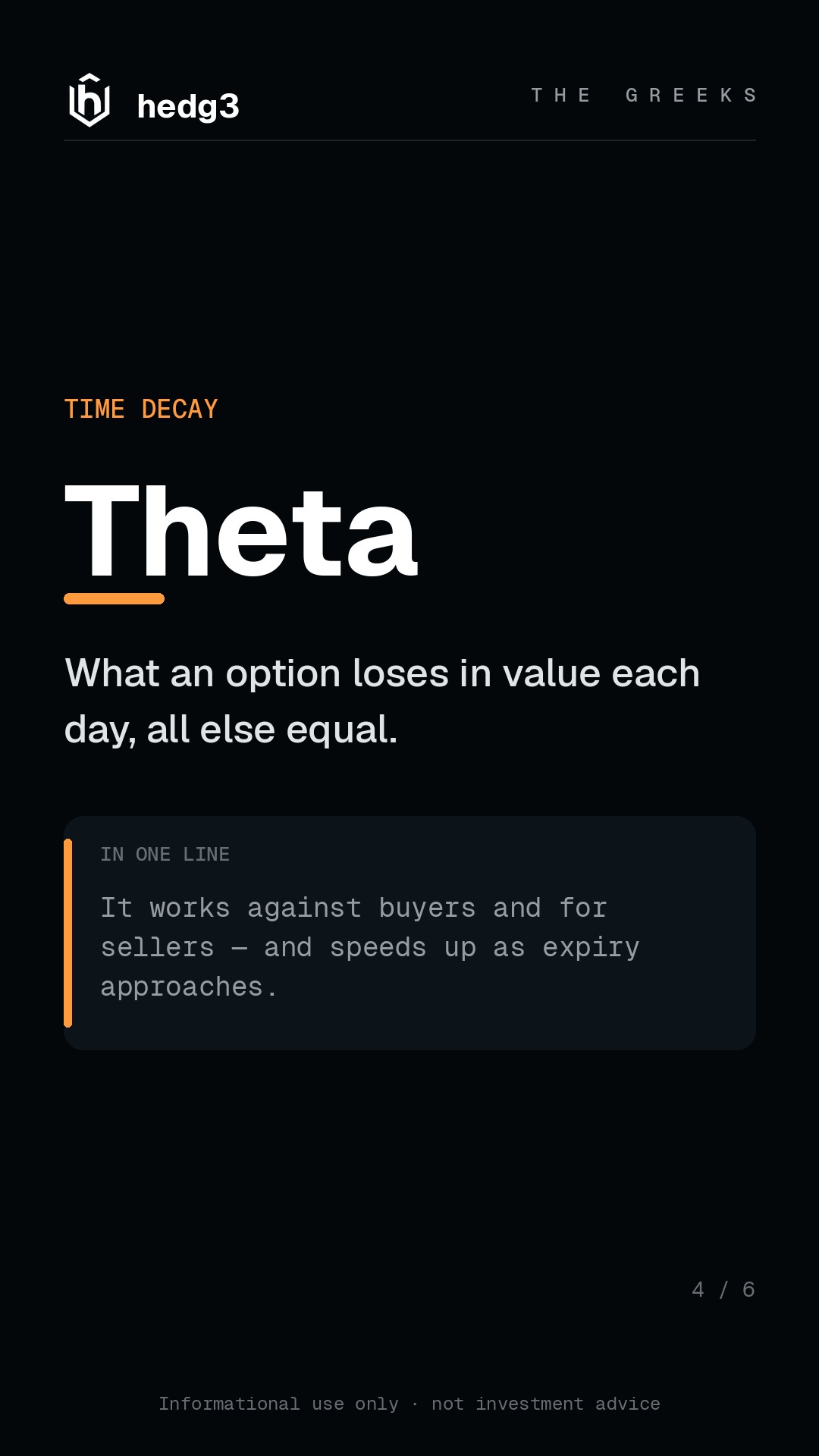
Theta-positive when initiated for credit.
Effect of volatility
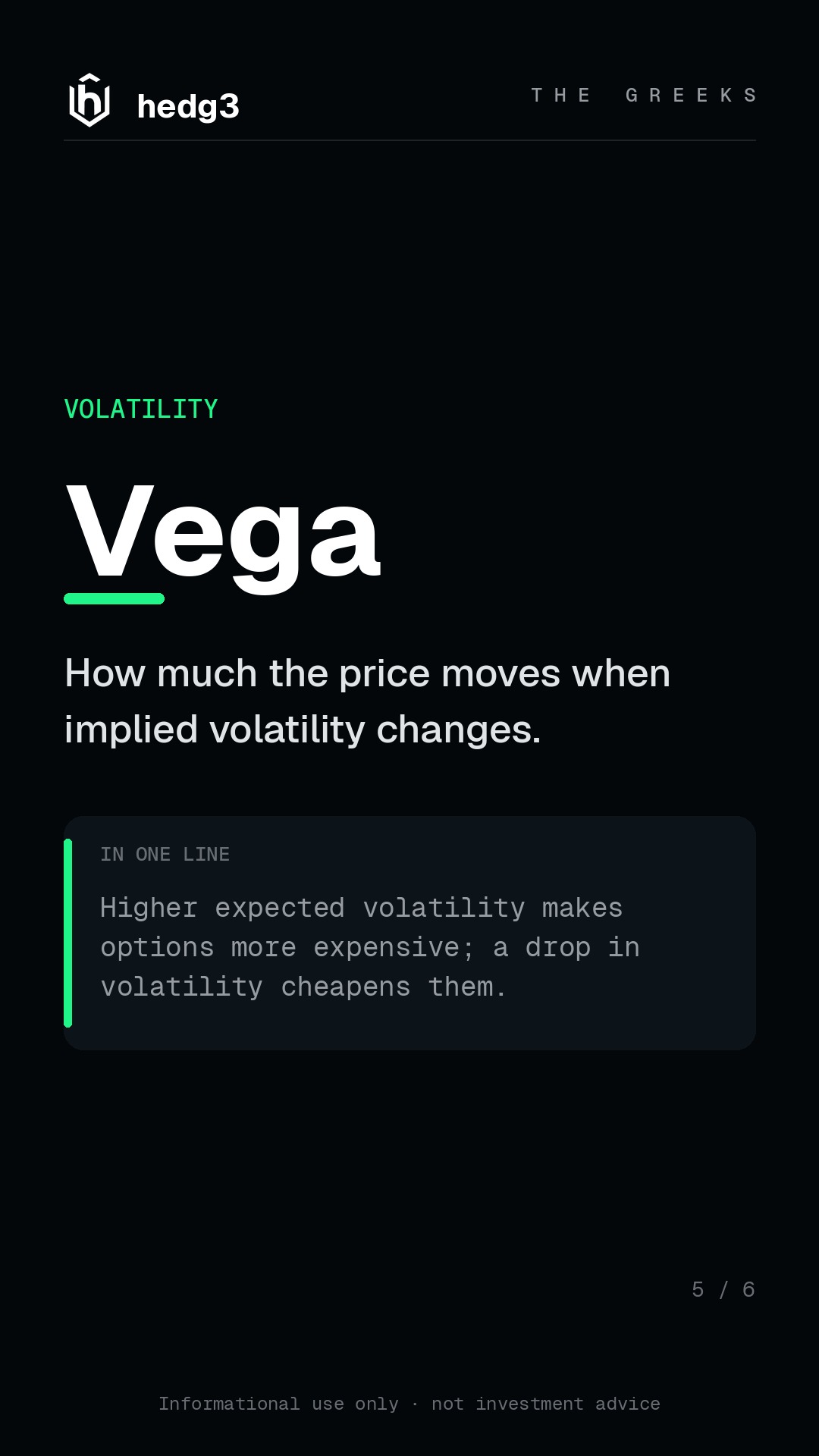
Negative vega — favors falling IV.
Pros
- Cheap entry, sometimes a credit.
- Defined profit zone.
- Theta-positive.
Cons
- Undefined risk past the short legs.
- Vega and gamma can spike in adverse moves.
- Hard to size correctly — most beginners under-respect the tail risk.
Tips
- Only on liquid underlyings.
- Sizing should be based on the undefined-loss tail, not the credit.
- Have a clear stop-loss plan based on the underlying breaking a level.
The math
1×2 call ratio: P/L per share at expiry = max(spot − long_strike, 0) − 2·max(spot − short_strike, 0) ± initial_credit/debit. Max profit at short_strike.
Not investment advice.