What order flow can and can't tell you
What the tape shows, what it infers, and where the reading stops.
The hedg3 Team
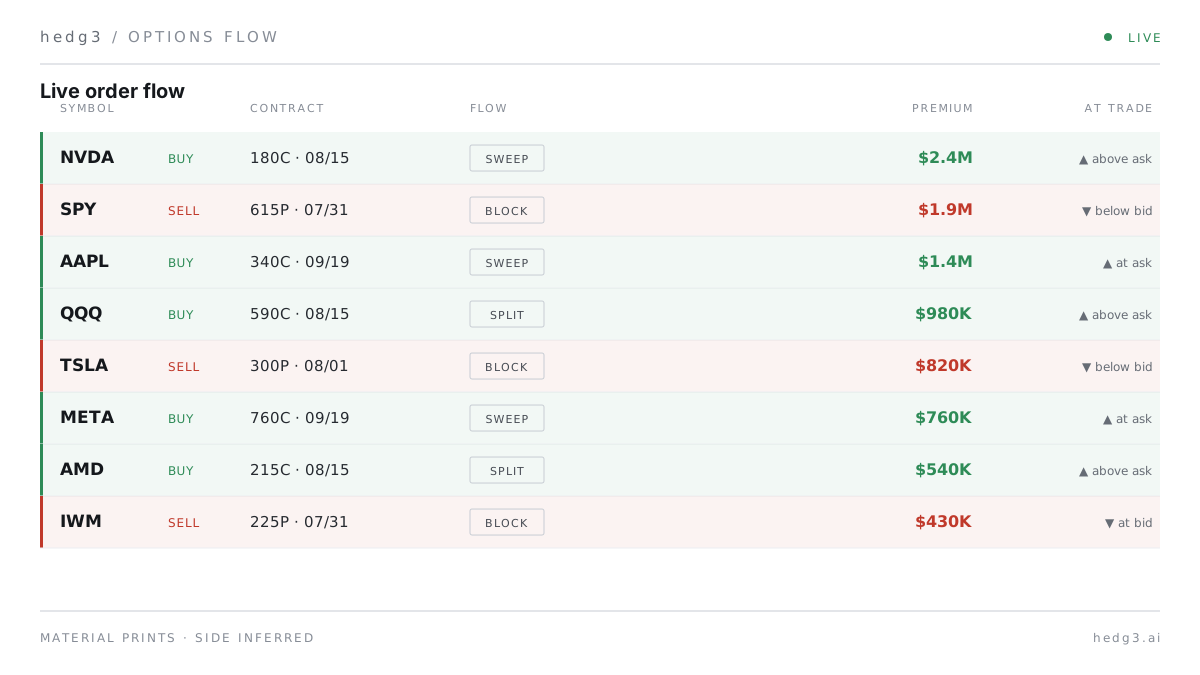
Order flow is the record of executed trades: each print's size, price, and where it fell against the prevailing bid and ask. Read in aggregate, it shows how buying and selling pressure is distributed across a name and across the day. The value is in the exceptions: the prints that break from a name's normal activity.
Reading the prints
A block is a single large trade, often arranged off the public book and printed at once. Evidence of size, though not of direction. A sweep is one order routed across several exchanges at the same moment to fill quickly, which reads as urgency: someone wanted the position now and paid up to get it. Where a print lands against the quote adds the lean: trades at or above the offer are buyer-initiated, trades at or below the bid seller-initiated. Size, urgency, and a consistent lean, stacked together, are what separate a meaningful print from ordinary two-way trading.
What it can tell you
Order flow answers one question well: where size and urgency are concentrating right now. A cluster of large options trades ahead of an earnings date, a one-sided run of aggressive buying, heavy volume in a single strike. These are observable facts about what is printing. They tell you capital and attention are moving, and how forcefully.
What it can't
Order flow does not reveal intent. The tape records that a trade happened, not why: whether it opened or closed a position, hedged risk or expressed a view, came from one account or many. Direction is not printed either. Exchanges disseminate size and price, not the aggressor's side; that side is inferred from where the print lands against the quote, and the inference is accurate most of the time but never all of it. No feed captures everything, and the prints worth surfacing are the material ones, not every trade that crosses. Anyone who tells you the tape “knows” where a stock is headed is offering a certainty the data does not contain.
How hedg3 reads it
hedg3 reads the full options tape in real time and flags the activity that is genuinely unusual for each name, measured against that name's own baseline, not the largest dollar figures. Three things stay explicit. Direction is labeled as inferred, not asserted. Coverage is material prints by a stated threshold, not the entire tape. And every timestamp is the data's own: the time of the last print, not the moment the page loaded. The board does not tell you what to do; it gives you a fast, accurate read of where flow is moving, and leaves the conclusion to you.
That is the discipline the platform is built on: real-time data and clear signals, presented without embellishment, so you can follow the money without mistaking a footprint for a forecast.
Keep reading
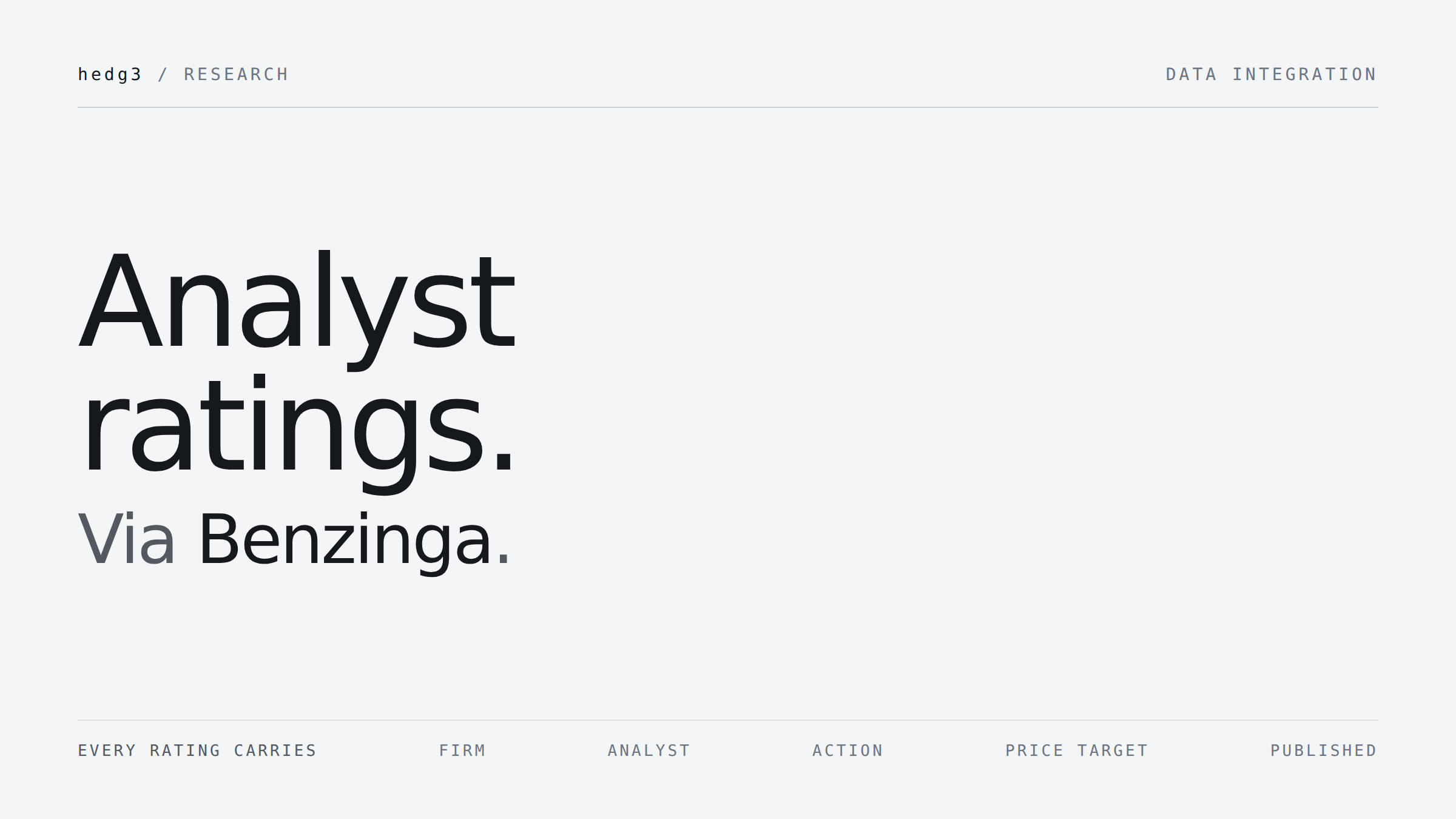
hedg3 integrates Benzinga's analyst ratings
Analyst ratings are live on hedg3: every upgrade, downgrade, initiation and price-target change, alongside the flow, the filings and the calendar you already read here.
Read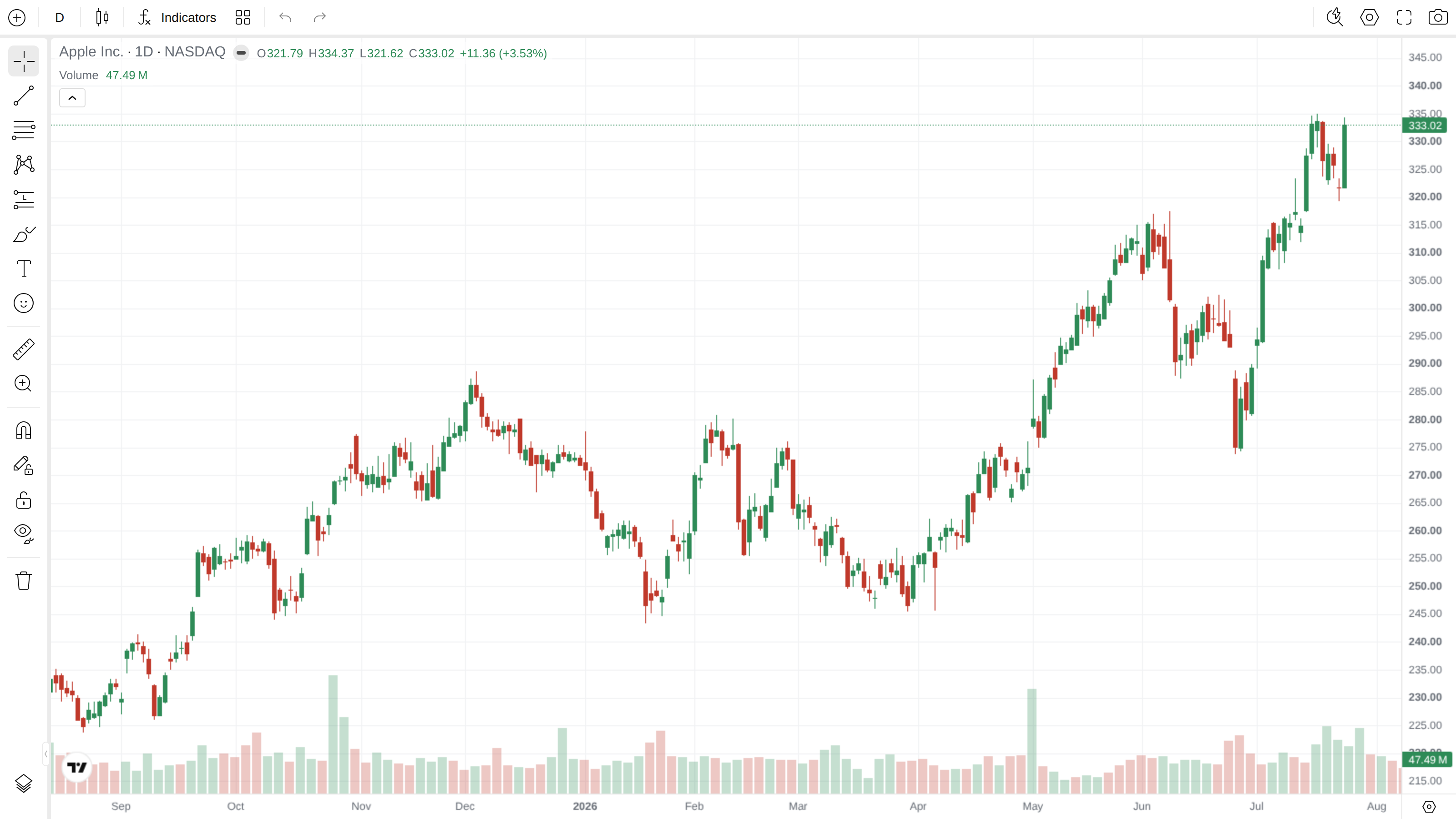
Introducing TradingView Advanced Charts on hedg3
hedg3 has partnered with TradingView to bring its Advanced Charts to the platform: professional charting running on hedg3's own licensed real-time market data.
Read